Best Ergonomic Chair for Back Pain (2026)
If you sit 8+ hours a day and your back is paying the price, the right chair can transform your comfort. We picked the chairs with the best lumbar support systems based on adjustability, user reviews from people with chronic back issues, and ergonomic research.
What to look for
- • Adjustable lumbar depth and height — not just a fixed curve
- • Seat depth adjustment — relieves pressure behind the knees
- • Recline with resistance control — supports micro-movements
- • Firm but supportive seat — too soft lets your pelvis tilt
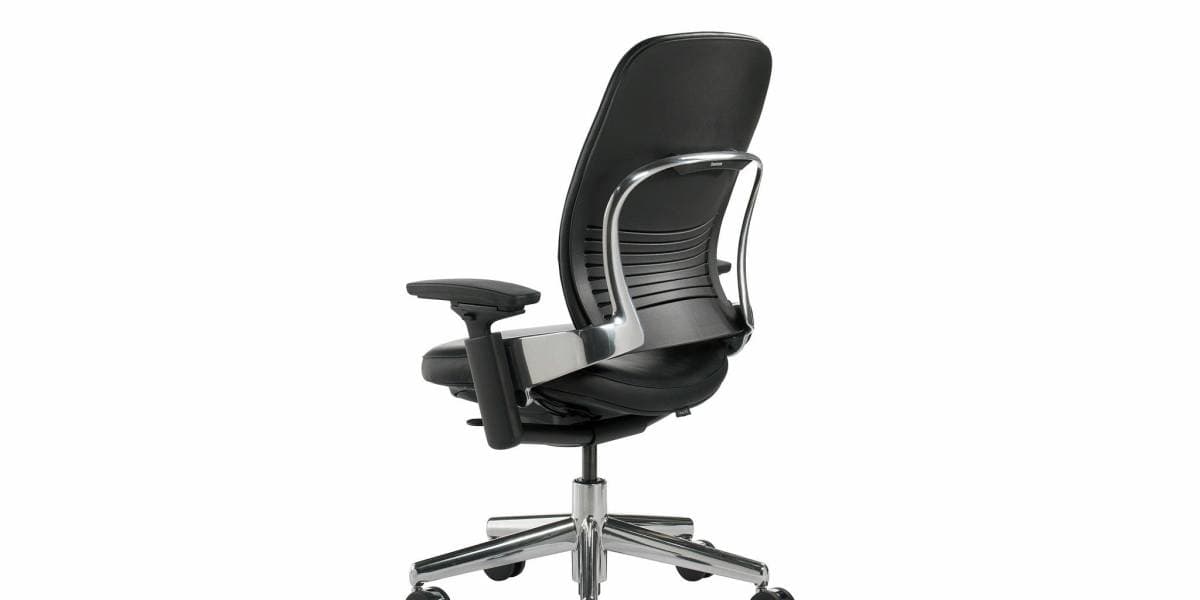
Industry-standard ergonomic chair with LiveBack technology that flexes with your spine. Highly adjustable with outstanding build quality and 12-year warranty.
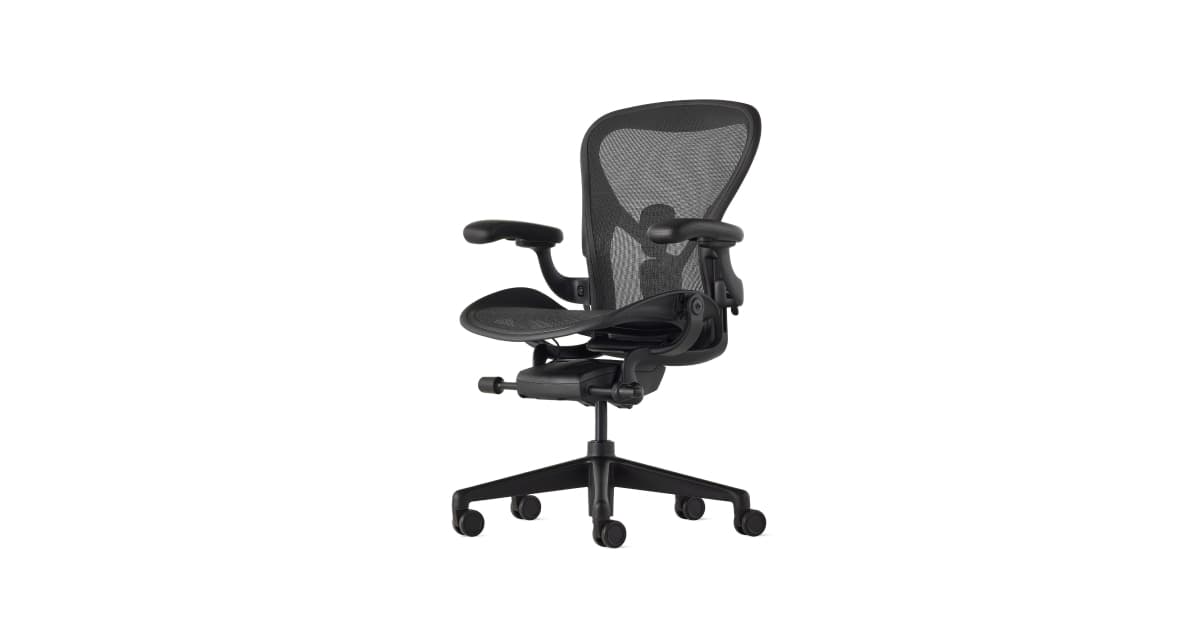
Iconic mesh ergonomic chair with PostureFit SL spinal support. Three sizes ensure proper fit. 12-year warranty.

Anti-gravity mechanism distributes weight evenly. Dual-dynamic lumbar support with breathable mesh. Excellent for extended sitting sessions.
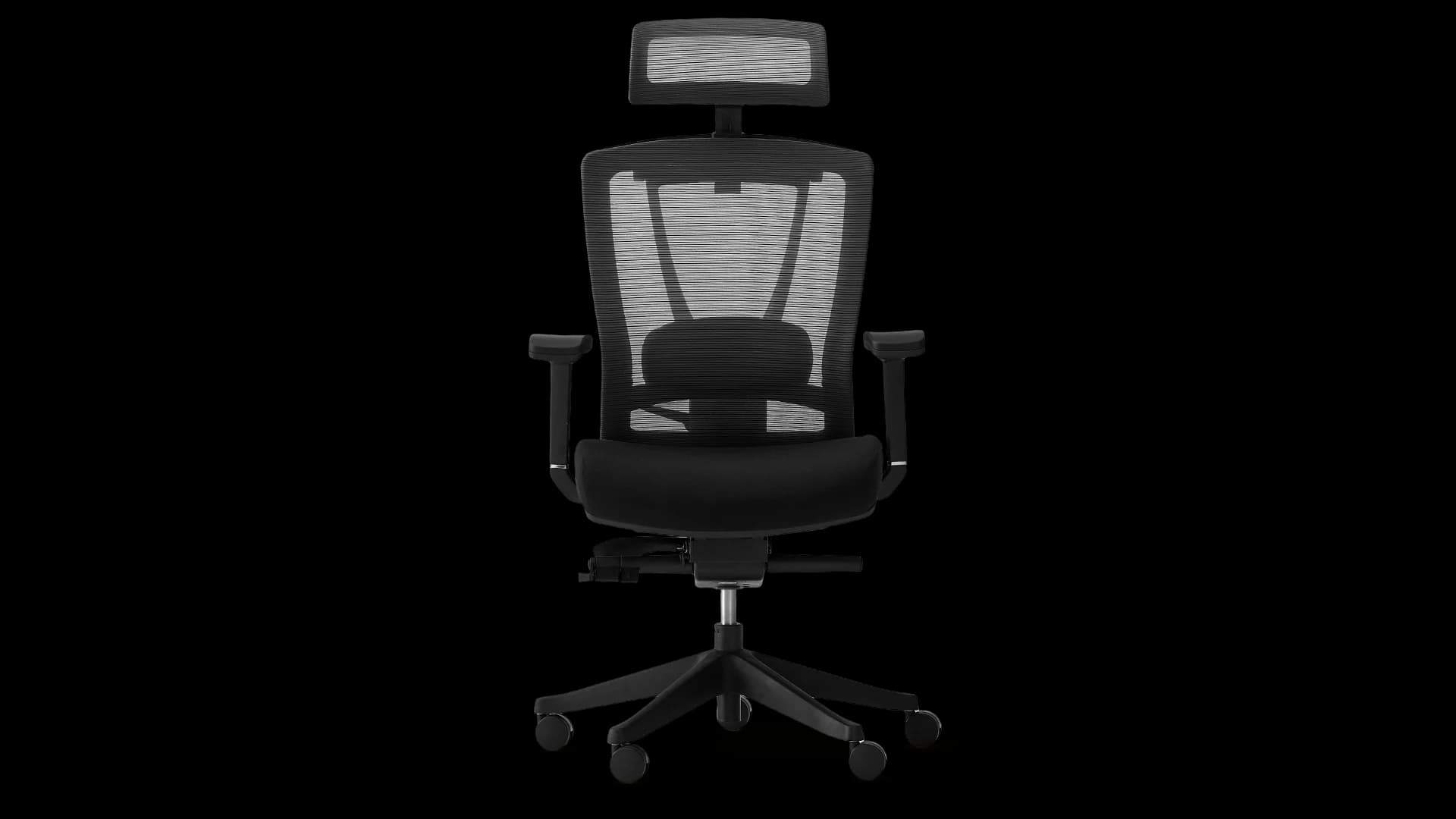
Feature-rich ergonomic chair with adjustable lumbar, headrest, armrests, and recline. Strong value for the feature set.

Commercial-grade ergonomic chair built for offices. Simple but effective adjustments with outstanding durability and warranty.
Why Back Pain Requires a Specific Chair
Not all ergonomic chairs are equal for back pain. Many chairs marketed as "ergonomic" only have a fixed lumbar curve that may not match your spine's natural lordosis. The chairs above all feature adjustable lumbar systems that let you dial in the exact depth and height of support your lower back needs.
The Steelcase Leap V2 wins because its LiveBack technology actually flexes independently of the seat — your upper and lower back get separate support that moves with you throughout the day.
Important Note
A chair alone won't fix chronic back pain. Pair it with regular movement breaks, a standing desk for part of the day, and consult a healthcare professional if pain persists. The best chair reduces strain — it doesn't replace proper posture habits.
Frequently Asked Questions
How much should I spend on an ergonomic chair for back pain?
For meaningful back pain relief, expect to spend $400–$1,200. Budget chairs under $300 rarely have the adjustable lumbar support needed for chronic pain. The sweet spot is $500–$800 where you get quality mechanisms without overpaying for aesthetics.
Is mesh or foam better for back pain?
Mesh backs conform to your spine's shape and run cooler, making them generally better for back pain. Foam can work if it's high-density with proper lumbar shaping. The key factor is adjustable lumbar support, not the material itself.
How long does it take for an ergonomic chair to help back pain?
Most people notice reduced pain within 1–2 weeks of consistent use with proper adjustment. However, it takes 4–6 weeks for your body to fully adapt. If pain worsens after proper setup, consult a healthcare professional.
Related Guides
More picks for a healthier, more productive workspace.