Best Wireless Earbuds 2026
The 2026 wireless earbuds worth buying, ranked by sound, noise cancellation, battery lifespan, and value
Last reviewed: 9/25/202614 products ranked
Our top 5 picks
Full ranking ↓- 1Apple AirPods Pro 3Check price
$229–$249 · Best Overall
- 2Sony WF-1000XM6Check price
$299–$330 · Best Noise Canceling
- 3Bose QuietComfort Ultra Earbuds (2nd Gen)Check price
$249–$299 · Noise Canceling Runner-Up
- 4Samsung Galaxy Buds4 ProCheck price
$229–$249 · Best for Samsung Phones
- 5Sennheiser Momentum True Wireless 5Check price
$300 · Best Sound Quality
We earn a commission if you buy through these links. It never changes the ranking. Disclosure
Watch the top 5 in about 3 minutes
Filmed before Sennheiser launched the Momentum True Wireless 5 (Sept 3, 2026). The ranking below is current: the TW5 now holds #5.
Affiliate Disclosure: PickClarity earns commissions from qualifying purchases through our partner links. Our rankings are editorially independent — they are never influenced by affiliate relationships or commission rates. Learn more about our methodology.
Find the best for your needs:
#1
🎧AA
9.4
Excellent
Consensus
Compare
Ranked on expert consensus, verified manufacturer claims, and value analysis (September 2026 refresh).
Pros
- 2x the noise cancellation of AirPods Pro 2
- Heart-rate sensing built in
- Foam-infused eartips — better fit and seal
Cons
- Best features still require an iPhone
- Battery service is $49 without AppleCare+
Don't buy this if…
- Android users lose most smart features — buy for ANC and fit only
#2
🎧SW
9.2
Excellent
Consensus
Compare
Ranked on expert consensus, verified manufacturer claims, and value analysis (September 2026 refresh).
Pros
- 25% better ANC than XM5 (QN3e processor)
- Measured ~88% average noise reduction
- Improved fit and call quality
Cons
- $329.99 — $30 more than the XM5 launched at
- Battery life and codecs unchanged from XM5
Don't buy this if…
- XM5 owners gain little — the real upgrade case is from XM4 or older
#3
9.0
Excellent
Consensus
Compare
Ranked on expert consensus, verified manufacturer claims, and value analysis (September 2026 refresh).
Pros
- Industry-leading active noise cancellation
- CustomTune ear-shape calibration
- Spatial audio with head tracking
Cons
- Premium price point
- Bulkier than passive earplugs
Don't buy this if…
- Active noise cancellation may mask important environmental sounds — use Aware Mode in traffic.
#4
🎧SG
8.7
Excellent
Consensus
Compare
Ranked on expert consensus, verified manufacturer claims, and value analysis (September 2026 refresh).
Pros
- Wider woofer + enhanced adaptive ANC
- Bone-conduction mics with AI call isolation
- IPX7 water resistance
Cons
- Best features require a Samsung Galaxy phone
- In-ear blade design fit is divisive
Don't buy this if…
- Non-Samsung users lose 360 Audio and seamless switching
#5
8.6
Excellent
Consensus
Compare
Ranked on manufacturer-verified specs and launch coverage (September 2026). The only premium earbuds with user-replaceable batteries — the biggest long-term-cost fix in the category.
Pros
- User-replaceable batteries in buds AND case — the fix for earbuds that die at year 3
- 12-hour earbud battery — longest of the flagships we rank
- aptX Lossless + 8-band EQ for the audiophile crowd
Cons
- $299.95 at launch — priciest pair in the top 5
- iPhones get AAC only — aptX Lossless needs a compatible Android phone
- Brand-new: limited long-term reliability data yet
Don't buy this if…
- Sennheiser hasn't published replacement-battery pricing yet — check before counting on cheap swaps
#6
8.4
Good
Consensus
Compare
For pure sound quality, the Sennheiser Momentum 4 are arguably the best wireless earbuds money can buy. The TrueResponse transducers deliver rich, detailed audio, and aptX Lossless support means near-CD quality streaming on compatible devices.
Pros
- Audiophile-grade sound quality that rivals wired earphones
- 60-hour battery life — industry-leading endurance
- aptX Lossless and aptX Adaptive codec support for hi-res audio
Cons
- Most expensive earbuds in our ranking
- ANC not quite as strong as Sony WH-1000XM5
- aptX Lossless requires a compatible Android phone — iPhones limited to AAC
Don't buy this if…
- The audiophile sound signature may sound overly analytical to casual listeners
- EQ settings reset when pairing to a new device — save custom presets in the app before switching
- Replaced by the Momentum True Wireless 5 (Sept 2026, user-replaceable batteries) — only buy the TW4 at a clear discount
- iPhone users won't benefit from aptX Lossless — consider AirPods Pro instead
#7

9.1
Excellent
Consensus
Compare
The WF-1000XM5 deliver the strongest noise cancellation in any earbud and audiophile-grade sound quality with LDAC support. Smaller and lighter than the XM4, with improved comfort. The premium price is justified by the sound quality.
Pros
- Industry-leading noise cancellation — measurably better than competitors
- Audiophile-grade sound quality with LDAC hi-res codec
- 30% smaller than XM4 — much improved comfort
Cons
- Multipoint connection can be glitchy when switching between devices
- Case is wider and less pocketable than AirPods Pro case
Don't buy this if…
- LDAC codec requires an Android device — iPhones are limited to AAC
- Foam tips degrade over time and need replacement every 3-6 months
#8
9.3
Excellent
Consensus
Compare
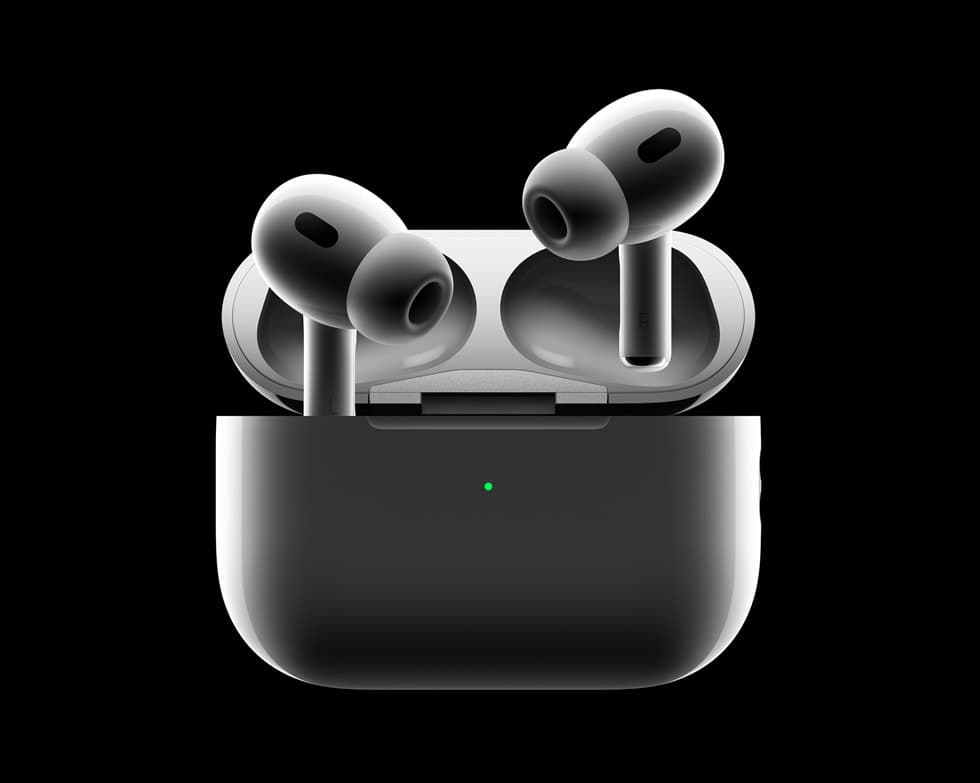
The AirPods Pro 2 remain the most complete wireless earbuds package. Adaptive noise cancellation, stellar transparency mode, spatial audio, and hearing health features make them the benchmark — especially for Apple ecosystem users.
Pros
- Best-in-class adaptive noise cancellation with real-time adjustment
- Transparency mode is natural enough to hold conversations
- USB-C case with speaker for Find My, plus lanyard loop
Cons
- Sound quality, while very good, doesn't match audiophile-grade competitors
- Best features require an iPhone — Android support is limited
Don't buy this if…
- Apple stopped selling AirPods Pro 2 in September 2025; remaining stock is third-party, so confirm it's new and genuine.
- Android users lose spatial audio, personalized volume, and adaptive transparency
- Discontinued by Apple after the AirPods Pro 3 launch — sold as clearance/refurbished stock only
- Ear tips are proprietary — third-party options exist but fit can vary
#9
8.5
Excellent
Consensus
Compare
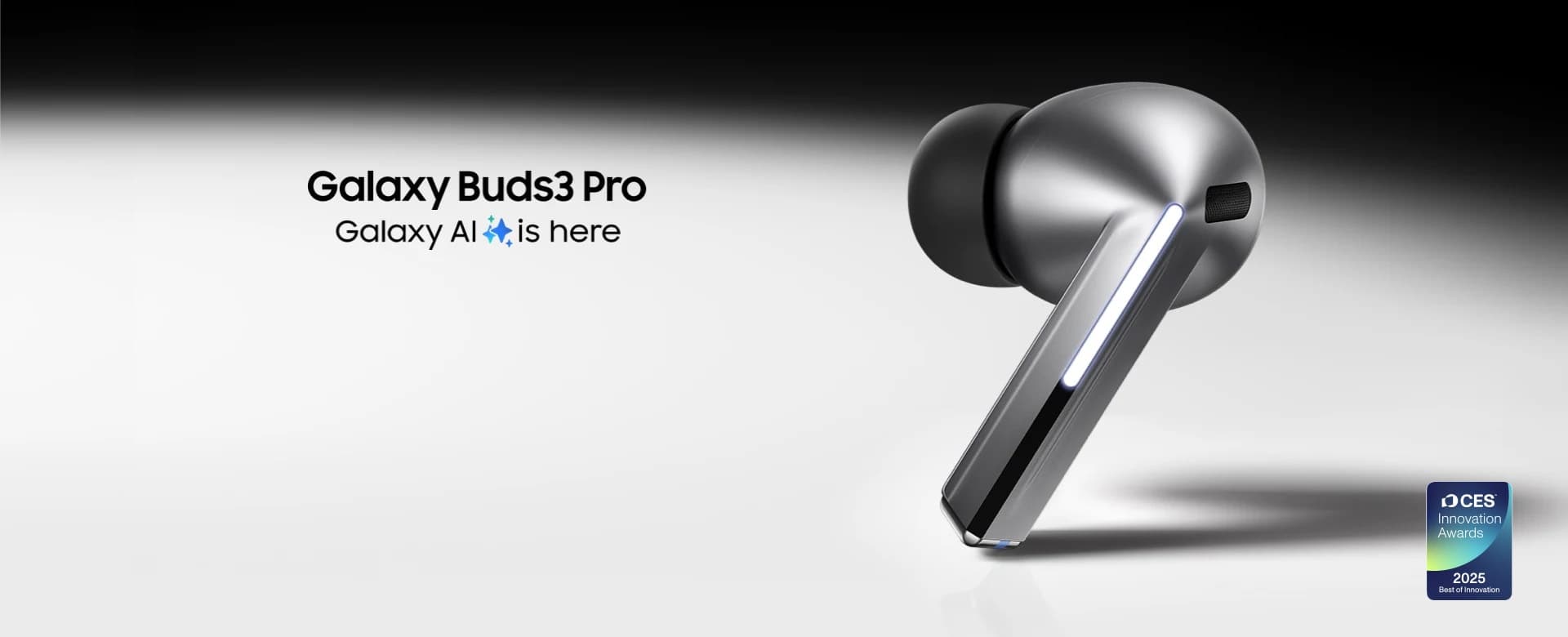
The Galaxy Buds3 Pro represent Samsung's bold redesign with a blade/stem form factor. Sound quality and ANC are excellent, and Galaxy phone integration is seamless. The new design is polarizing and some users report fit issues.
Pros
- Excellent ANC with adaptive mode that adjusts to your environment
- 360 Audio with head tracking for immersive listening
- Seamless Samsung Galaxy ecosystem integration
Cons
- New blade design doesn't fit all ears comfortably
- Premium price for features that mostly shine with Samsung phones
Don't buy this if…
- Non-Samsung phone users lose features like 360 Audio and seamless switching
- The blade design is a departure from traditional buds — try before committing if possible
#10
8.8
Excellent
Consensus
Compare
Bose's immersive audio technology combined with CustomTune sound personalization delivers arguably the best listening experience in wireless earbuds. ANC is virtually tied with Sony. Battery life is the main trade-off.
Pros
- Immersive audio with head tracking is genuinely impressive
- CustomTune calibrates sound to your specific ear shape
- Immersive spatial audio
Cons
- Battery life is only 6 hours — shorter than all premium competitors
- Shorter battery life than Sony at 24 vs 30 hours
- 24-hour battery shorter than competitors
Don't buy this if…
- 6-hour battery life is below average — carry the case for all-day use
- Immersive Audio mode reduces battery life to ~18 hours — plan accordingly on long trips
- Immersive Audio mode reduces battery life to about 18 hours—use standard mode for maximum endurance.
- Immersive audio mode drains battery faster — down to about 4.5 hours
#11

8.5
Excellent
Consensus
Compare
The Technics EAH-AZ80 are an under-the-radar gem for audio enthusiasts. The 10mm drivers deliver a balanced, refined sound that competes with Sennheiser at a lower price. Three-device multipoint is unique and incredibly practical.
Pros
- Exceptional sound quality from large 10mm drivers
- 3-device multipoint — switch between phone, laptop, and tablet seamlessly
- LDAC support for hi-res streaming on Android
Cons
- Brand recognition is lower — many buyers overlook Technics
- Design is conservative and less stylish than competitors
Don't buy this if…
- Superseded by the Technics EAH-AZ100 (2025).
- The understated design may feel plain compared to flashier competitors
- ANC is adequate but trails Sony and Apple in noisy environments
#12

8.3
Good
Consensus
Compare
The Pixel Buds Pro 2 are the Android answer to AirPods Pro. The Tensor A1 chip enables unique AI features like real-time translation and conversation detection. Sound quality and ANC are competitive. The best Android earbuds experience, especially on Pixel phones.
Pros
- Tensor A1 chip enables real-time translation and smart features
- Conversation detection pauses audio when you speak
- Smallest and most comfortable premium earbuds at just 4.7g
Cons
- Best AI features require a Pixel phone
- Bass response is lighter than Sony or Bose
Don't buy this if…
- Non-Pixel Android users get a lesser experience — some AI features are Pixel-exclusive
- Sound profile leans neutral — bass lovers may prefer Sony or Bose
#13

8.1
Good
Consensus
Compare
The JBL Tour Pro 3 feature an innovative touchscreen case and Auracast support for sharing audio. IP57 water resistance and a secure fit make them excellent for workouts. The touchscreen case is a genuine differentiator.
Pros
- Touchscreen case lets you control music and settings without your phone
- IP57 water resistance — excellent for sweaty workouts and rain
- Auracast support lets you share audio with nearby compatible devices
Cons
- Touchscreen case adds bulk and drains case battery
- ANC is good but not top-tier against Sony or Apple
Don't buy this if…
- The touchscreen case gimmick drains case battery — expect shorter total battery life
- Auracast is a future-looking feature with limited compatible devices currently
#15

8.0
Good
Consensus
Compare
The Nothing Ear (2) punch well above their price point with solid ANC, good sound quality, and the most eye-catching design in the category. At under $150, they offer remarkable value against $250+ competitors.
Pros
- Outstanding value — premium features at a mid-range price
- Unique transparent design that stands out from the crowd
- Personalized ANC adapts to your ear canal
Cons
- ANC doesn't match Sony or Apple at maximum levels
- IP54 water resistance is lower than some workout-focused competitors
Don't buy this if…
- Superseded by Nothing Ear (3) ($179, 2025); buy the Ear (2) only at a clear discount.
- Nothing's app ecosystem is still maturing — expect occasional bugs
- The transparent case and buds show scratches and dust over time
Quick Comparison
How We Rank
Our rankings combine expert review scores (25%), user sentiment from 10,000+ reviews (20%), audio quality measurements (15%), ANC effectiveness (15%), comfort and fit (10%), feature freshness (10%), and availability (5%). Rankings updated monthly.
Trust Score
Weighted composite of all factor scores
Expert Score
Aggregated expert review ratings
User Sentiment
Community votes and review analysis
Value Score
Price-to-performance ratio
Freshness
Recency of reviews and data
Change Log
Removed Jabra Elite 10 (Jabra left consumer earbuds). Flagged superseded Nothing Ear (2), Technics AZ80 and discontinued AirPods Pro 2; updated XM5 and Buds3 Pro street prices; buying guide added.
9/25/2026 · PickClarity Editorial
Added Sennheiser Momentum True Wireless 5 at #5 (launched Sept 3 2026). Momentum TW4 moved to #6 as a last-gen deal.
9/25/2026 · PickClarity Editorial
Initial ranking published after comprehensive review of 10 products.
5/15/2026 · CP Editorial Team
Discussion (0)
No comments yet. Be the first to share your experience!
AI Shopping Assistant
Ask questions about products in this category. Answers are grounded in our evidence data.
Try asking:
Get Alerts
Stay updated when rankings change or prices drop in Wireless Earbuds.
Wireless Earbuds: What Actually Matters
Premium noise-cancelling earbuds have converged. AirPods Pro 3 ($249), Sony WF-1000XM6 ($329.99), Bose QuietComfort Ultra Earbuds (2nd Gen) ($299) and Samsung Galaxy Buds4 Pro ($249) all cancel low-frequency noise well enough that reviewers now separate them on fit, phone integration and microphones rather than raw cancellation. The bigger 2026 story is the Sennheiser Momentum True Wireless 5, which went on sale September 3 at $299.95 with user-replaceable batteries in both earbuds and the case. It is the first mainstream flagship to treat a worn-out battery as routine maintenance instead of the end of the product.
That matters because the battery is the hidden cost of every sealed pair. The small lithium-ion cells in earbuds typically last two to three years, or roughly 300 to 500 charge cycles, before capacity fades noticeably. Out of warranty, Apple charges $49 per AirPod or per case for AirPods Pro 3 battery service and replaces the part rather than fitting a new cell, so refreshing all three pieces costs $147. Regulation will not fix this soon: in July 2026 the European Commission confirmed earbuds among the devices exempt from its 2027 user-replaceable battery rule, so their batteries need only be replaceable by professionals.
The most common buying mistakes are predictable. Shoppers pay for a codec their phone cannot use: iPhones stream Bluetooth audio over AAC only, so Sony's LDAC and Sennheiser's aptX Lossless do nothing for iPhone owners. They compare headline battery figures that include the case or assume noise cancelling is off; the Momentum True Wireless 5's 40-hour figure includes case recharges, and each bud is rated for 6 hours with ANC on. And they pay full price for a new generation when the old one is nearly as good; reviewers found the WF-1000XM6 kept the XM5's battery life and codec support.
How to Choose
Buy for your phone first
Apple lists automatic device switching, Hearing Aid mode, Live Translation and heart-rate sensing on AirPods Pro 3 as requiring an iPhone or other Apple device, and Galaxy Buds4 Pro reserve Samsung's hi-res SSC codec, head gestures and seamless switching for Samsung phones. Sony, Bose, Sennheiser and Technics work fully on both platforms through their own apps. If you might change phones within the next two or three years, a platform-neutral pair keeps all its features.
Fit and seal before ANC specs
Noise cancelling only performs as rated when the tip seals your ear canal, and a poor seal also thins out bass. Check the size range in the box: AirPods Pro 3 include five tip sizes (XXS to L), the Momentum True Wireless 5 four (XS to L), and Bose adds stability bands in three sizes with more sold separately. Run the app's fit test where one exists, and go down a size if the buds work loose when you talk or chew.
Buying Guides
Focused recommendations for specific needs
Explore More Categories
Baby Monitors12 rankedRobot Vacuums12 rankedDog GPS Collars11 rankedStanding Desks10 rankedAI Productivity Tools10 rankedErgonomic Office Chairs10 ranked
Browse all categories