Best Ergonomic Office Chairs 2026
Ranked by comfort, adjustability, and long-term value
Last reviewed: 5/15/202610 products ranked
Affiliate Disclosure: PickClarity earns commissions from qualifying purchases through our partner links. Our rankings are editorially independent — they are never influenced by affiliate relationships or commission rates. Learn more about our methodology.
Find the best for your needs:
Top Pick
9.2
Excellent
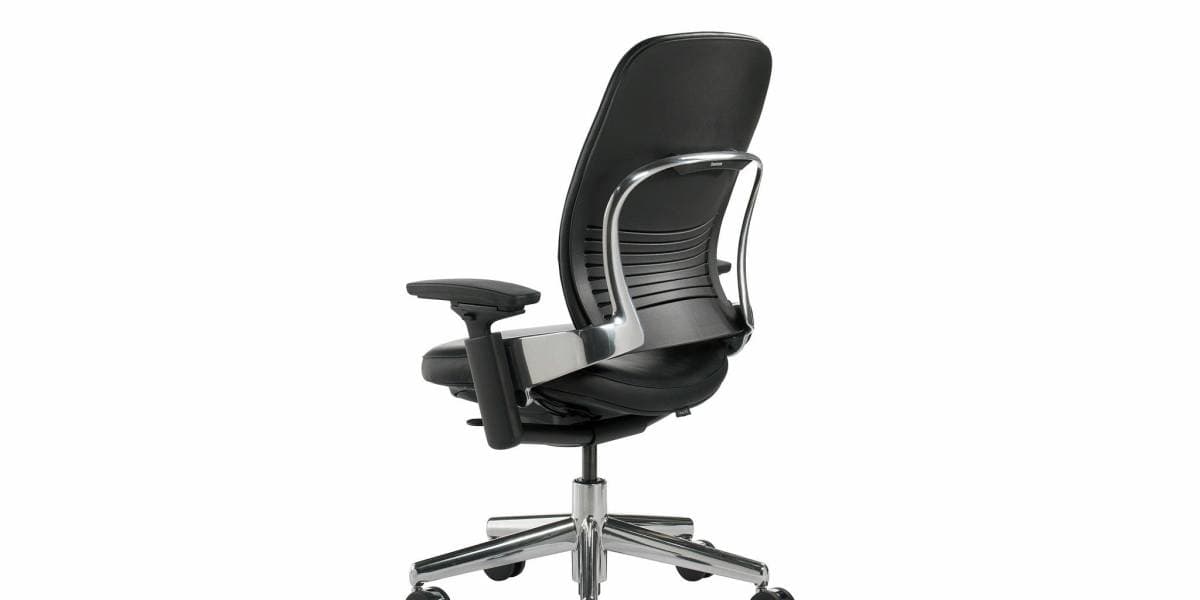
Steelcase Leap V2
The Steelcase Leap V2 consistently tops professional ergonomic chair rankings. Exceptional lumbar support, deep recline, and a 12-year warranty justify the premium price.
#1
9.2
Excellent
Consensus
Compare
The Steelcase Leap V2 consistently tops professional ergonomic chair rankings. Exceptional lumbar support, deep recline, and a 12-year warranty justify the premium price.
Pros
- Outstanding lumbar support
- 12-year warranty
- Highly adjustable arms and seat depth
Cons
- Premium price point
- Heavy at 40+ lbs
- Basic aesthetics compared to newer designs
Don't buy this if…
- Refurbished units vary in quality — buy from authorized resellers
#2
9.0
Excellent
Consensus
Compare
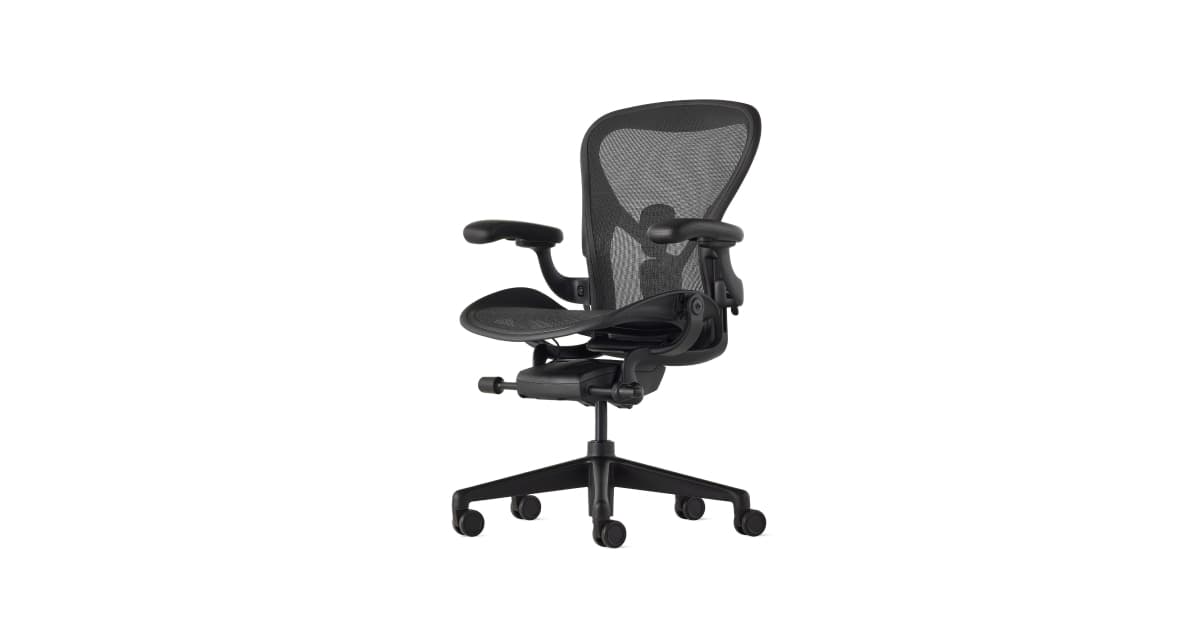
The Aeron is the most recognized ergonomic chair in the world. Excellent mesh ventilation and PostureFit support, but the high price limits its value score.
Pros
- Breathable mesh keeps you cool
- PostureFit SL lumbar support
- 3 sizes for perfect fit
Cons
- Very expensive at retail
- No headrest option on standard model
- Mesh seat not for everyone
Don't buy this if…
- Size matters — wrong size negates ergonomic benefits. Measure before buying.
#3
8.2
Good
Consensus
Compare
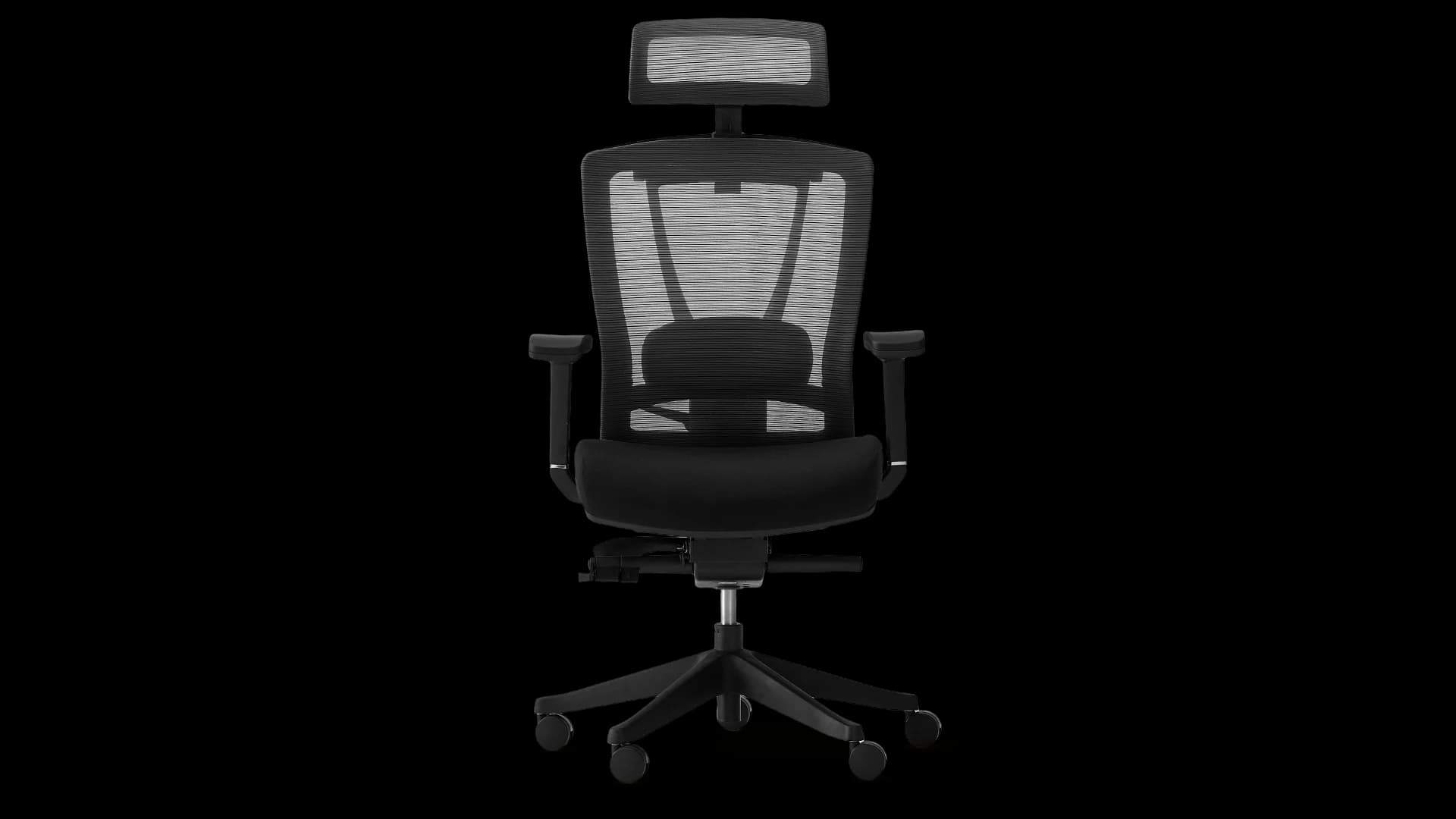
Best bang for your buck in the ergonomic chair market. Nearly every adjustment you'd want at half the price of premium brands.
Pros
- Excellent price-to-feature ratio
- Adjustable headrest included
- Good lumbar support
Cons
- Build quality not on par with Steelcase/HM
- Seat foam may compress after 2+ years
- Assembly instructions could be clearer
#4

8.0
Good
Consensus
Compare
The Doro S300's anti-gravity tilt mechanism is genuinely innovative. Strong user reviews for all-day comfort at a mid-range price.
Pros
- Anti-gravity recline mechanism
- Dual lumbar support zones
- Breathable mesh throughout
Cons
- Brand less established than Steelcase/HM
- Armrest range could be wider
- Limited long-term durability data
#5

7.8
Good
Consensus
Compare
Branch delivers a clean, modern aesthetic without sacrificing ergonomics. Italian mesh and solid adjustability at a fair price.
Pros
- Beautiful minimalist design
- Italian mesh material
- 7-year warranty
Cons
- Less adjustable than premium options
- Limited recline range
- Only available direct or Amazon
#6

7.6
Good
Consensus
Compare
The Ignition 2.0 is a workhorse — not flashy, but reliably comfortable with commercial-grade durability at a budget-friendly price.
Pros
- Commercial-grade durability
- Low complaint rate
- Simple effective adjustments
Cons
- Basic aesthetics
- Fewer adjustments than premium chairs
- Seat cushion firmness may not suit everyone
#7
7.5
Good
Consensus
Compare
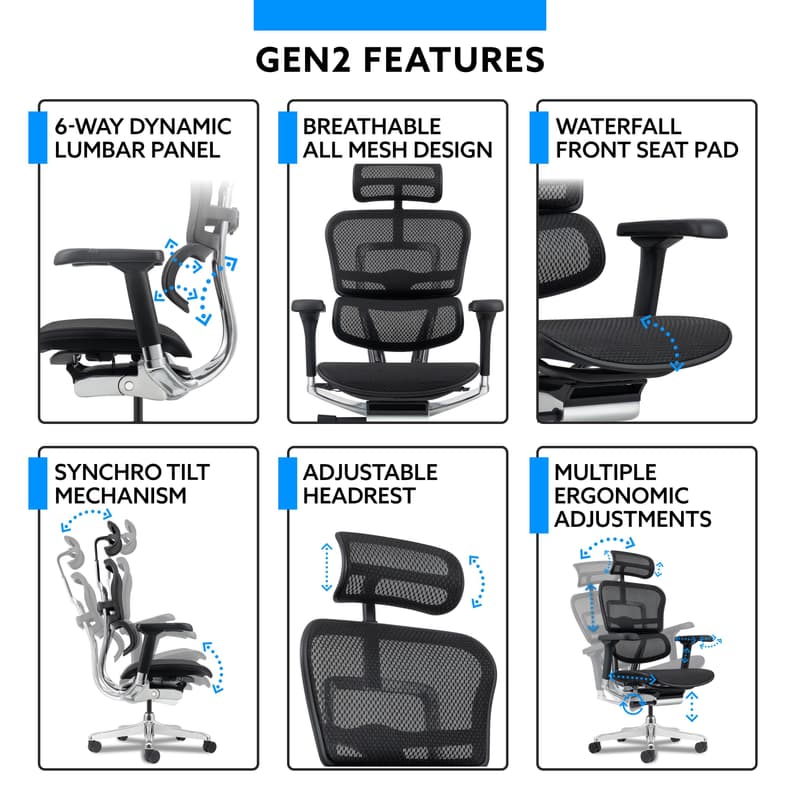
The Ergohuman has been a reliable choice for years. Full mesh construction keeps you cool, and the integrated headrest is a nice touch.
Pros
- Full mesh construction
- Integrated adjustable headrest
- Good lumbar support
Cons
- Design is dated
- Heavy and bulky
- Some quality variance between batches
#8

7.3
Good
Consensus
Compare
FlexiSpot brings their standing desk value proposition to chairs. The C7 offers solid ergonomics at a price that undercuts most competitors.
Pros
- Excellent value
- 3D adjustable lumbar
- Pairs well with FlexiSpot desks
Cons
- Seat cushion could be thicker
- Armrests feel cheaper than premium chairs
- Limited color options
#9
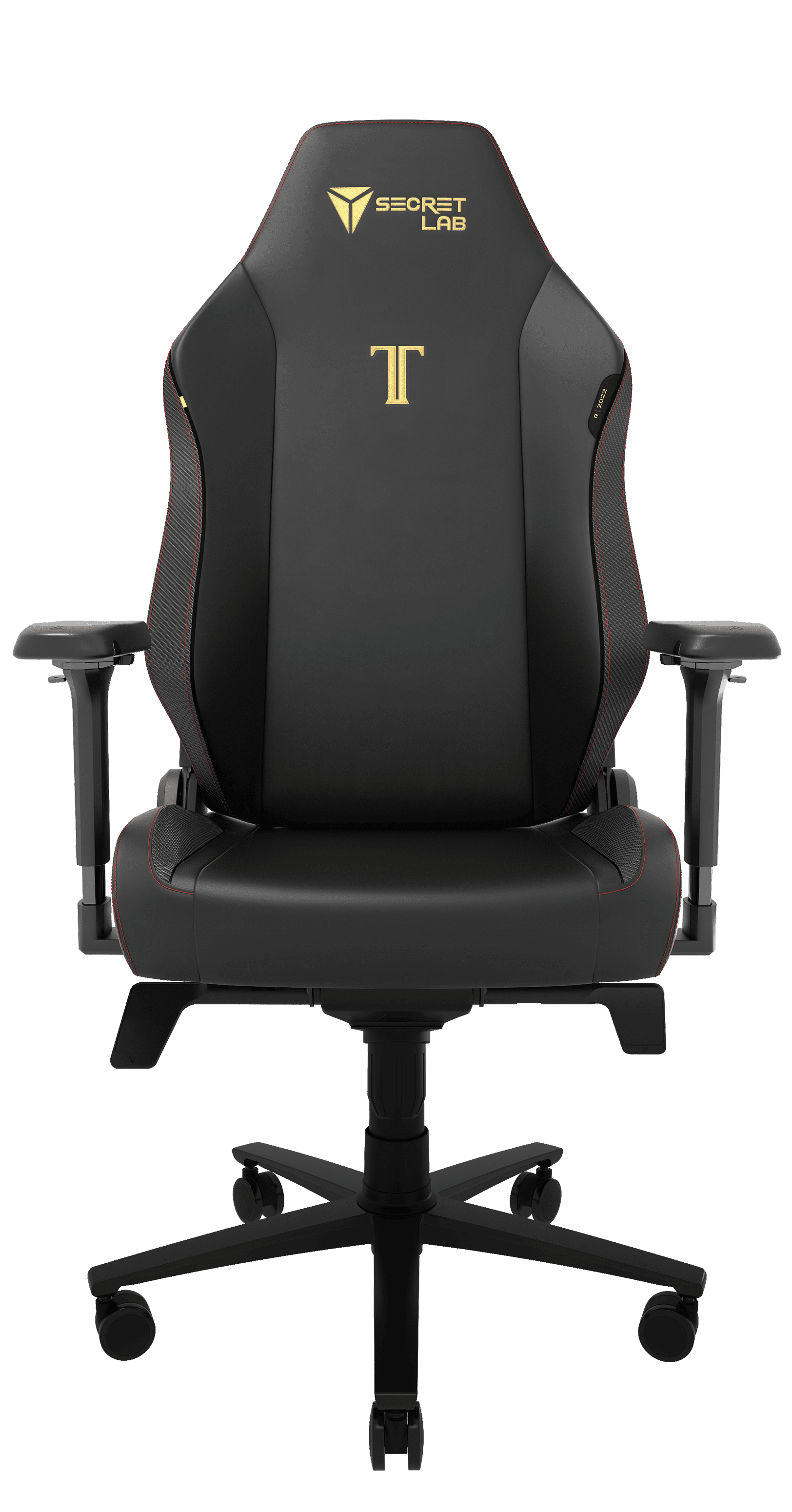
7.2
Good
Consensus
Compare
Polarizing choice — gaming chair loyalists love it, ergonomic purists prefer mesh. The Titan Evo is genuinely comfortable for mixed use.
Pros
- Magnetic headrest pillow
- 4-way magnetic lumbar support
- 4-way adaptive lumbar
Cons
- Gaming aesthetic not for everyone
- Firm seat takes time to break in
- Runs warm without mesh
Don't buy this if…
- Ergonomic purists may prefer a mesh task chair for 8+ hour work days
- The firm cold-cure foam seat requires 2-3 weeks of break-in time and may feel uncomfortable initially.
#10

6.8
Fair
Consensus
Compare
At under $180, the Colamy Atlas punches above its weight. Not a long-term solution for heavy use, but an excellent starter ergonomic chair.
Pros
- Incredible price
- Flip-up armrests
- Mesh back breathes well
Cons
- Lumbar support is basic
- Seat foam will compress over time
- Build quality reflects the price
Don't buy this if…
- Not recommended for users over 220 lbs or 8+ hour daily use
Quick Comparison
How We Rank
Scores combine professional ergonomics reviews, user satisfaction ratings, warranty/complaint data, and community feedback.
Trust Score
Weighted composite of all factor scores
Expert Score
Aggregated expert review ratings
User Sentiment
Community votes and review analysis
Value Score
Price-to-performance ratio
Freshness
Recency of reviews and data
Change Log
Discussion (0)
No comments yet. Be the first to share your experience!
AI Shopping Assistant
Ask questions about products in this category. Answers are grounded in our evidence data.
Try asking:
Get Alerts
Stay updated when rankings change or prices drop in Ergonomic Office Chairs.
Ergonomic Office Chairs: What Actually Matters
Ergonomic seating has bifurcated into two credible markets: premium chairs from established manufacturers with 12 to 15 year warranties and decade-long service lives, and a maturing mid-tier ($300 to $600) that has adopted formerly premium features like adjustable lumbar depth, 4D armrests, and synchro-tilt mechanisms. Below $250, chairs still cut the components that matter most: the tilt mechanism, foam density, and gas cylinder class.
The mistake most buyers make is judging a chair by padding thickness and headrest presence. Plush foam that compresses to nothing within a year is worse than firmer, denser molded foam or a quality mesh; and a headrest only matters if you recline to read or take calls. What actually determines all-day comfort is adjustability that matches your body: seat depth (a sliding seat pan covering roughly 15.5 to 18.5 inches of depth), lumbar support height and depth adjustment, armrests that adjust in height and width at minimum, and a tilt mechanism with adjustable tension and lockable positions.
Fit beats features. A chair with a fixed seat pan too deep for your femur length will cut circulation behind the knees no matter how many adjustments it has elsewhere. Check the manufacturer's stated fit range against your height and weight, look for a 250 to 300 lb rated Class 4 gas cylinder, and treat the warranty (12 years on mechanisms at the premium tier, 5+ at mid-tier) as the honest signal of build quality.
How to Choose
Seat depth adjustment
A sliding seat pan is the most underrated adjustment: you need 2 to 4 fingers of clearance between the seat edge and the back of your knees. Fixed-depth seats fit only a narrow band of femur lengths; if you are notably short or tall, treat seat-depth adjustment as mandatory.
Lumbar support that adjusts in height and depth
Your lumbar curve sits at a specific height; a fixed bump in the wrong place is worse than none. Look for lumbar that moves vertically at least 2 to 3 inches and adjusts in depth or firmness. Mesh chairs should have a distinct adjustable lumbar element, not just tensioned fabric.
Tilt mechanism quality
Synchro-tilt (backrest reclines faster than the seat, typically 2:1) keeps your feet planted and thighs supported while reclining, and adjustable tension plus multi-position lock makes recline usable all day. Cheap chairs use a simple rocking mechanism that lifts your feet and cuts thigh circulation.