Best Dog GPS Tracker for Hiking (2026)
Off-leash hiking is one of the greatest joys of dog ownership — and one of the scariest moments when your dog disappears over a ridge. A GPS tracker gives you real-time location data even in areas with no cell service, so you always know where your dog is.
What hikers need in a GPS tracker
- • LTE + GPS (not just Bluetooth) — Bluetooth range is 30-100ft, useless on trails
- • Multi-day battery — minimum 3 days between charges for weekend trips
- • Waterproof (IP67+) — creek crossings, rain, mud are inevitable
- • Lightweight — under 40g so it doesn't bother the dog
- • Geofence alerts — get notified if your dog leaves a defined area
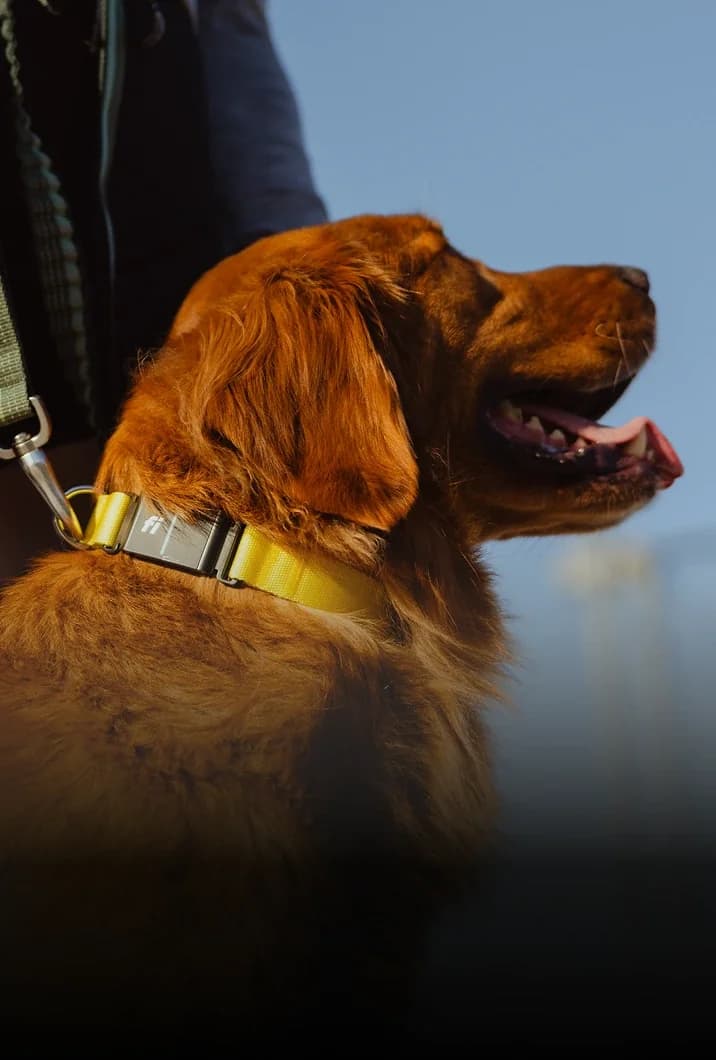
Sleek GPS dog collar with LTE connectivity, escape alerts, lost dog mode, and built-in activity tracking. Requires a monthly subscription.
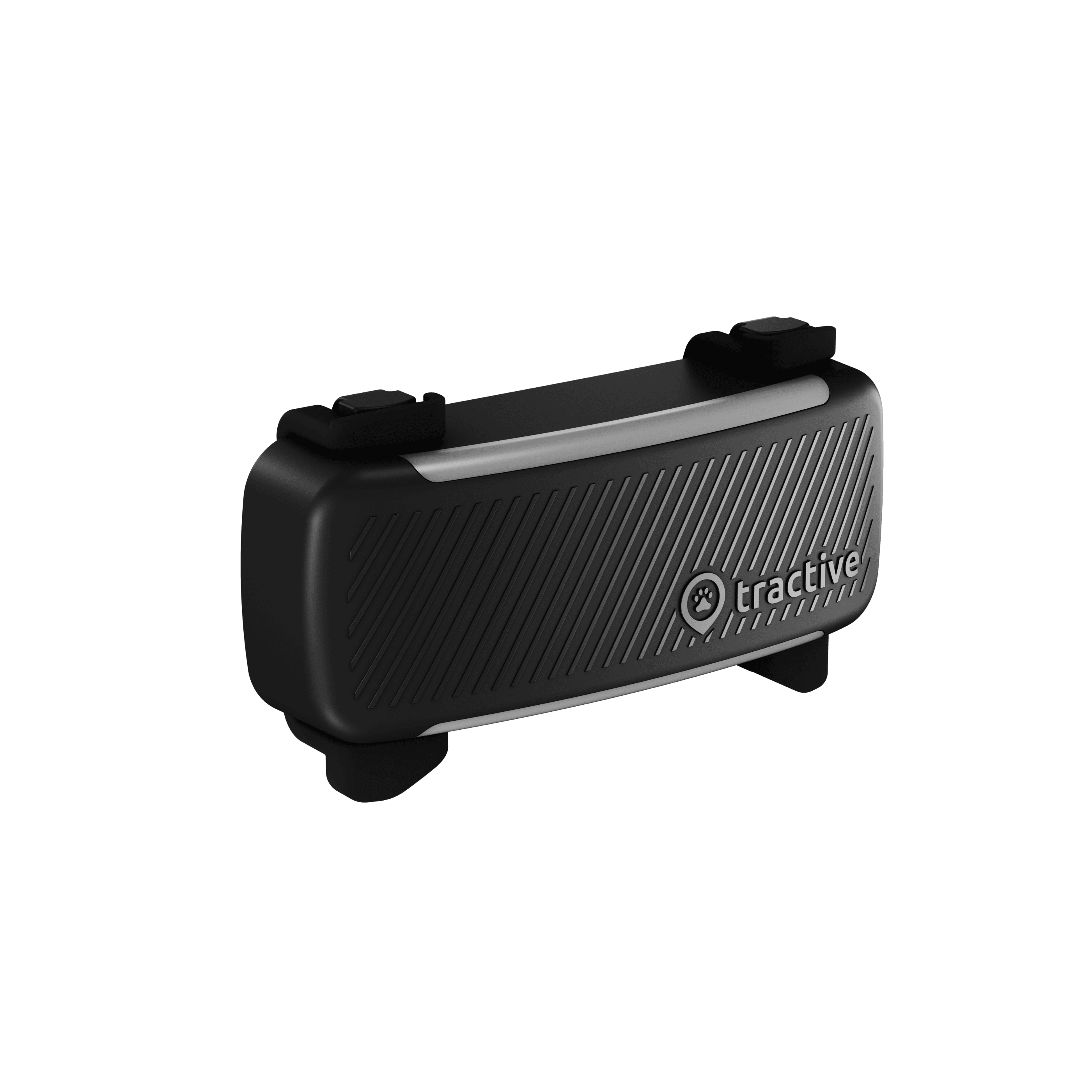
Lightweight GPS tracker with real-time location, virtual fences, activity tracking, and worldwide coverage via LTE.
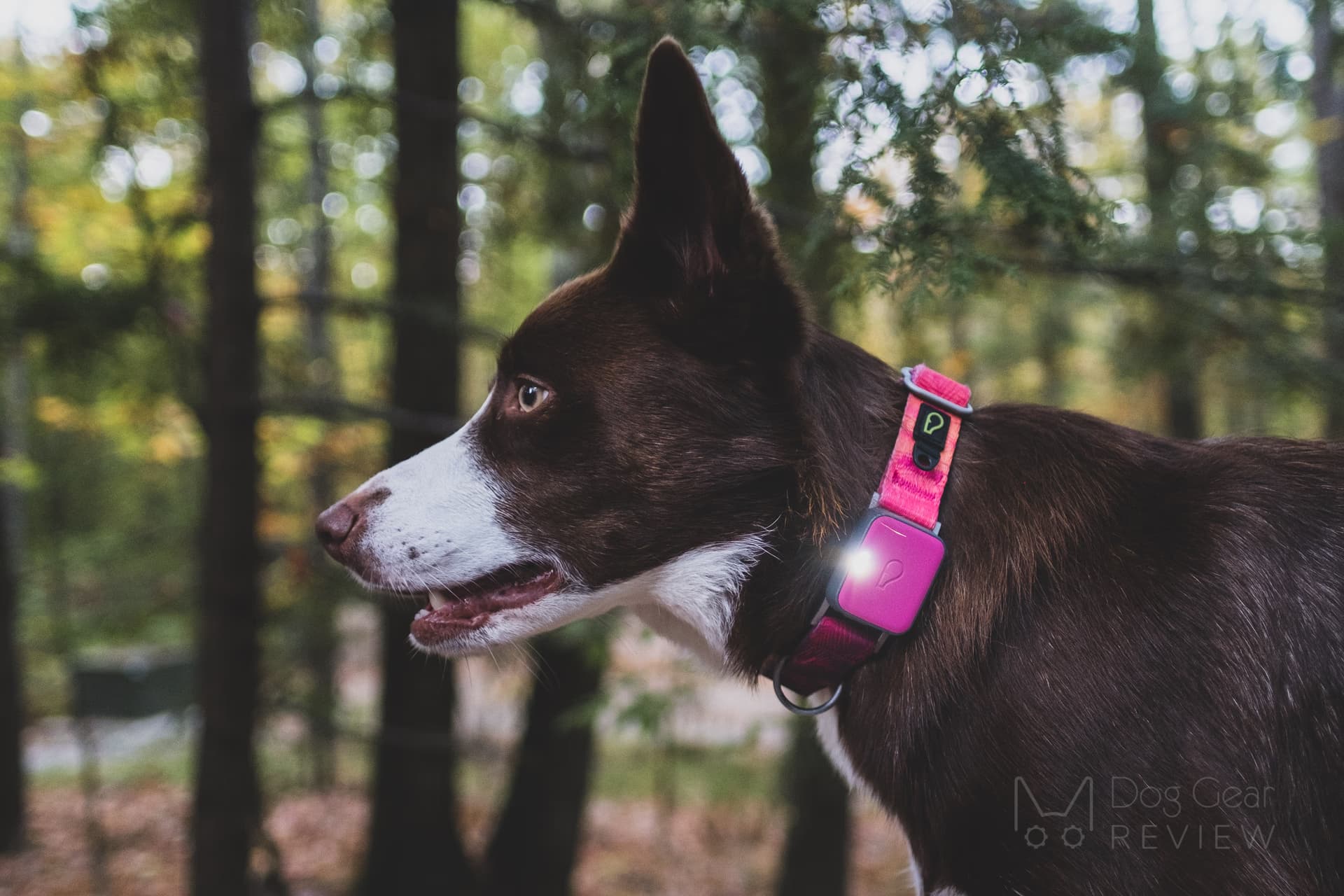
GPS pet tracker with health and fitness monitoring, AT&T LTE connectivity, and night light. Tracks location, activity, licking, scratching, and sleep.

Advanced GPS fence collar that creates virtual boundaries anywhere without buried wires. True GPS-based containment system with audible and static correction.

Professional-grade GPS dog tracking collar designed for hunting dogs. Works with Garmin handheld units, no cellular subscription required.
AirTag vs Dedicated GPS Tracker for Dogs
Apple AirTags are cheap and lightweight, but they're NOT GPS trackers. They rely on nearby iPhones to relay location — on a remote hiking trail, there may be zero iPhones around. A dedicated LTE GPS tracker communicates directly with cell towers and GPS satellites, giving you real-time location even in the backcountry. For urban walks, AirTags work fine. For hiking, you need real GPS.
Monthly Subscription Costs
All LTE GPS trackers require a monthly subscription for cellular connectivity — typically $5-$13/month. This covers the SIM card data that transmits your dog's location to your phone. Most offer discounts for annual plans. Factor this into your total cost of ownership: a $100 tracker with a $99/year plan costs $200 in year one.
Head-to-Head Comparisons
Narrowed it down to two? See detailed side-by-side breakdowns.
Frequently Asked Questions
Do GPS dog trackers work without cell service?
Most consumer GPS trackers need cell service to transmit location data to your phone. In areas with no cell coverage, trackers like the Garmin T5 Mini use radio frequency (VHF) instead, which works anywhere but requires a compatible Garmin handheld. For most hikers on popular trails, LTE trackers work fine — true wilderness requires a Garmin or satellite-based solution.
How long do GPS tracker batteries last?
It depends heavily on tracking frequency. With updates every few minutes (hiking mode), expect 3-5 days. With hourly updates (home mode), batteries last 2-4 weeks. The Fi Series 3 leads with up to 3 months in low-power mode. Always charge fully before a hike.
Are GPS collars safe for small dogs?
Yes, as long as the tracker is lightweight relative to your dog. The general rule is the collar + tracker should be under 5% of your dog's body weight. Most trackers weigh 25-40g, which is fine for dogs over 10 lbs. For very small dogs under 8 lbs, look for the lightest options like the Jiobit (18g) or Fi (under 30g with collar).
Related Guides
More gear recommendations for active pet owners.