Best Robot Vacuums 2025
Top 10 robot vacuums ranked by cleaning performance, navigation, and value
Last reviewed: 5/15/202610 products ranked
Affiliate Disclosure: PickClarity earns commissions from qualifying purchases through our partner links. Our rankings are editorially independent — they are never influenced by affiliate relationships or commission rates. Learn more about our methodology.
Find the best for your needs:
Top Pick
9.4
Excellent
Roborock S8 MaxV Ultra
The S8 MaxV Ultra is the most capable robot vacuum-mop we've tracked. Its obstacle avoidance is best-in-class, suction power is unmatched, and the self-emptying/self-washing dock is genuinely hands-free. Price is the main barrier.
#1

9.4
Excellent
Consensus
Compare
The S8 MaxV Ultra is the most capable robot vacuum-mop we've tracked. Its obstacle avoidance is best-in-class, suction power is unmatched, and the self-emptying/self-washing dock is genuinely hands-free. Price is the main barrier.
Pros
- 10,000Pa suction — strongest in category
- 10,000 Pa suction power
- AI obstacle avoidance with camera + LiDAR
Cons
- Very expensive — over $1,400
- Premium price point
- Dock is large and needs dedicated space
Don't buy this if…
- Budget is under $800 — this is a premium product
- The dock requires both a power outlet and a water line or manual tank refilling for continuous operation.
- You have a small apartment — the oversized dock may not fit
#2

8.8
Excellent
Consensus
Compare
The Roomba j9+ delivers iRobot's best cleaning performance with exceptional pet hair pickup. Its obstacle avoidance reliably navigates around pet toys and cables. The brand's ecosystem and support are industry-leading.
Pros
- Exceptional pet hair pickup and anti-tangle brushes
- PrecisionVision navigation avoids pet waste
- iRobot OS is the most polished app experience
Cons
- No mopping capability — vacuum only
- Suction power lower than Chinese competitors
- Clean Base bags are a recurring cost (~$20 for 3)
Don't buy this if…
- You need mopping — this is vacuum-only
- You want maximum suction power — Roborock and Dreame offer more
#3

8.6
Excellent
Consensus
Compare
The Dreame L20 Ultra challenges Roborock with its MopExtend arm that reaches wall edges — a genuine innovation. Slightly rougher software experience but excellent hardware value.
Pros
- MopExtend arm cleans along wall edges — unique feature
- 7,000Pa suction handles deep cleaning well
- Hot air drying for mop pads prevents mildew
Cons
- App is less polished than iRobot/Roborock
- Customer support can be slow outside China
- Obstacle avoidance occasionally misses small items
Don't buy this if…
- You value polished software and customer support — Dreame trails competitors here
- You're cautious about newer brands with less track record
#4
8.2
Good
Mixed
Compare
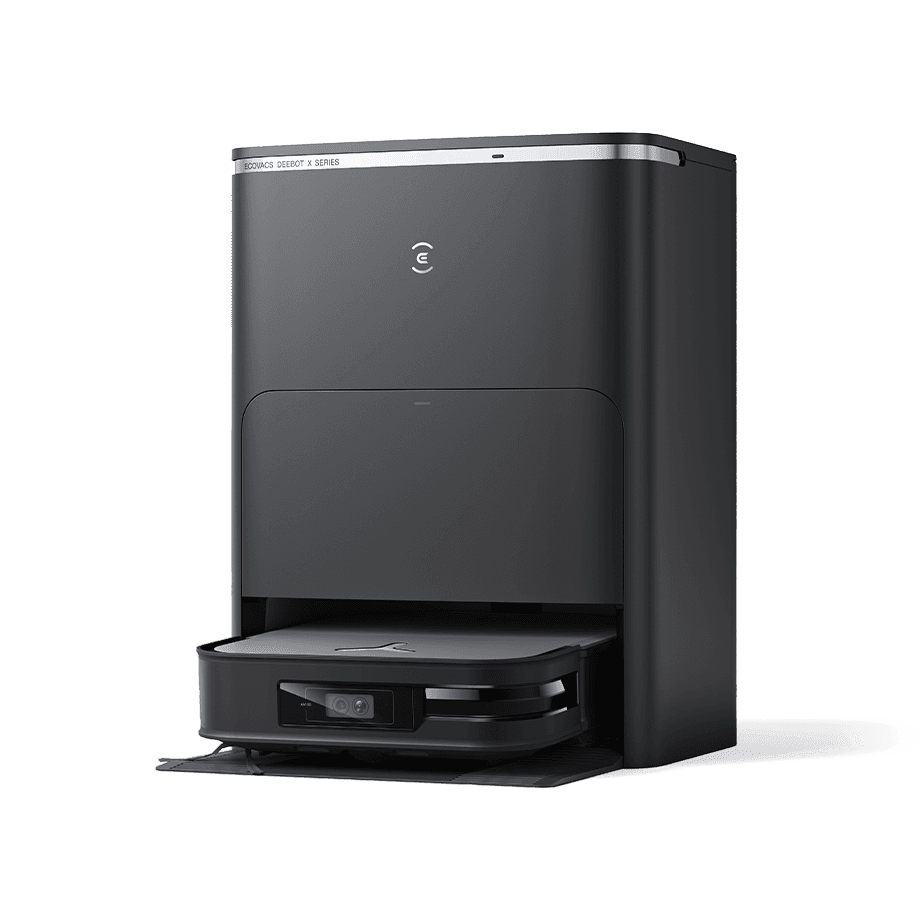
The square design genuinely improves corner cleaning — a real differentiator. However, Ecovacs has faced criticism for privacy concerns with camera-equipped robots, reflected in the higher controversy score.
Pros
- Square shape cleans corners better than round robots
- 8,000Pa suction is powerful
- OZMO Turbo mopping with hot water washing
Cons
- Privacy concerns about camera data handling
- Taller profile gets stuck under some furniture
- App requires many permissions
Don't buy this if…
- You're privacy-conscious — Ecovacs has faced scrutiny about camera data practices
- You have low-clearance furniture — the taller body may get stuck
#5

8.5
Excellent
Consensus
Compare
The Q7 Max+ offers the best value in our ranking — Roborock's reliability and app quality at nearly half the price of flagship models. Mopping is basic (passive pad) but vacuuming is excellent.
Pros
- Excellent value — Roborock quality under $500
- LiDAR navigation is fast and accurate
- 4,200Pa suction handles most surfaces well
Cons
- Passive mopping pad — not as thorough as spinning mops
- No obstacle avoidance camera
- Dock doesn't wash or dry mop pads
Don't buy this if…
- You need serious mopping performance — the passive pad is a compromise
- You have lots of cables/obstacles on the floor — no camera avoidance
#6

8.0
Good
Consensus
Compare
Eufy's best robot yet, offering flagship-level specs at a mid-range price. The 8,000Pa suction and comprehensive dock punch above their weight class.
Pros
- 8,000Pa suction rivals flagships at lower price
- Comprehensive self-cleaning station
- AI obstacle avoidance works well
Cons
- Brand perception still below Roborock/iRobot
- Mop pad pressure is lower than top competitors
- Some reports of mapping inconsistencies
Don't buy this if…
- You want a well-established brand with years of track record
- You have complex multi-floor layouts — mapping can struggle
#7

7.7
Good
Consensus
Compare
The Combo j5+ adds mopping to the Roomba lineup with a clever retractable mop pad. Mopping performance is adequate but not competitive with Chinese brands' spinning mops.
Pros
- Retractable mop pad lifts automatically on carpets
- iRobot's excellent app and ecosystem
- Reliable obstacle avoidance
Cons
- Mopping is passive — limited effectiveness
- Suction power below Chinese competitors
- Price is high for the cleaning performance
Don't buy this if…
- You want serious mopping — the passive pad doesn't compare to spinning mops
- Maximum suction power is a priority
#8
7.5
Good
Consensus
Compare
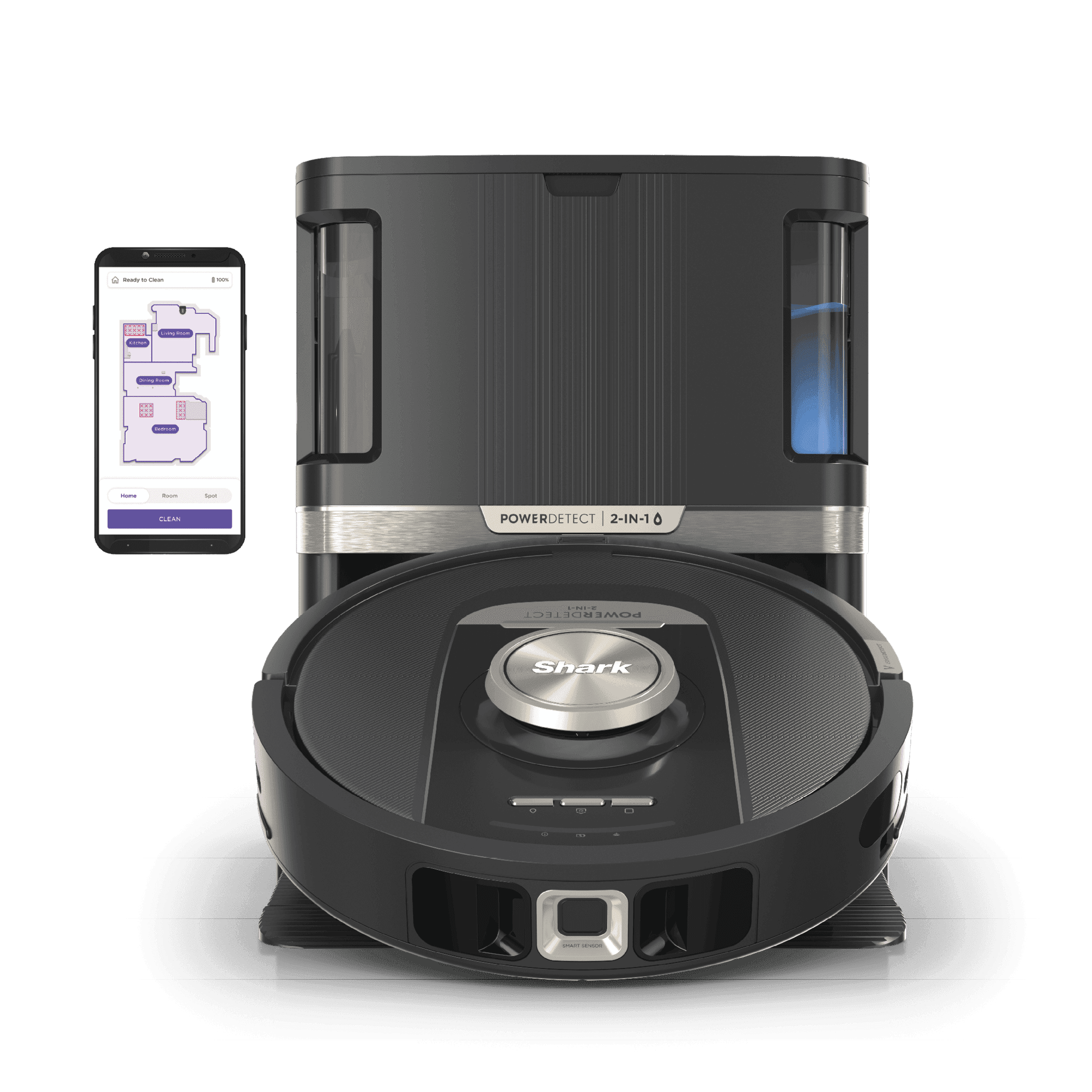
A solid mid-range option from a well-known US brand. Not class-leading in any metric but offers good overall performance with the peace of mind of domestic customer support.
Pros
- Well-known US brand with easy returns
- Sonic mopping is decent
- Matrix Clean pattern covers floors efficiently
Cons
- Navigation less precise than LiDAR competitors
- App is basic compared to Roborock/iRobot
- Suction power is middling
Don't buy this if…
- You want top-tier navigation and mapping — camera-based nav trails LiDAR
- You want the most feature-rich app experience
#9
7.8
Good
Consensus
Compare
Incredible value — LiDAR navigation and 5,000Pa suction with an auto-empty dock for under $400. Mopping is basic but the vacuum performance punches well above its price.
Pros
- LiDAR navigation at a budget price
- 5,000Pa suction is strong for the price
- Auto-empty dock included
Cons
- Basic passive mopping
- Build quality is noticeably budget
- Customer support is limited
Don't buy this if…
- Build quality matters to you — this feels plasticky
- You want advanced mopping — it's a basic drag pad
#10

7.0
Good
Consensus
Compare
The most affordable Roomba — a reliable entry point into robot vacuums with the iRobot brand behind it. Basic bump-and-run navigation but decent cleaning on hard floors.
Pros
- Very affordable entry into robot vacuums
- iRobot brand reliability and support
- Works with Alexa and Google Assistant
Cons
- Bump-and-run navigation — no mapping
- Single brush roll tangles with hair
- No mopping, no auto-empty option
Don't buy this if…
- You have a large home — random navigation is inefficient for big spaces
- You want modern features like mapping or self-emptying
Quick Comparison
How We Rank
Our rankings combine expert review scores (25%), user sentiment from 10,000+ reviews (20%), cleaning performance tests (15%), value analysis (15%), complaint data (10%), technology freshness (10%), and availability (5%). We update rankings monthly as new data becomes available.
Trust Score
Weighted composite of all factor scores
Expert Score
Aggregated expert review ratings
User Sentiment
Community votes and review analysis
Value Score
Price-to-performance ratio
Freshness
Recency of reviews and data
Evidence Ledger
User Reviews5/15/2026
Roborock S8 MaxV Ultra User Sentiment Analysis
Analysis of 1000+ user reviews across major retailers.
Expert Review5/15/2026
Roborock S8 MaxV Ultra Expert Review Analysis
Aggregated expert scores from 5+ professional review sites.
Change Log
Initial ranking published after comprehensive review of 10 robot vacuums.
5/15/2026 · CP Editorial Team
Discussion (1)
JD
Jane Doe5/15/2026
Been using the Roborock S8 MaxV Ultra for 3 months. Honestly impressed with the cleaning performance.
AI Shopping Assistant
Ask questions about products in this category. Answers are grounded in our evidence data.
Try asking:
Get Alerts
Stay updated when rankings change or prices drop in Robot Vacuums.
Robot Vacuums: What Actually Matters
Robot vacuums in 2026 have consolidated around a feature set that seemed like science fiction five years ago: LiDAR navigation with AI camera obstacle avoidance, 10,000+ Pa suction ratings, self-emptying docks that also wash and hot-air-dry mop pads, and extending side brushes and mop arms that reach into corners. The gap between a $250 model and an $1,100 flagship is no longer suction; it is navigation intelligence, hair anti-tangle design, and how much maintenance the dock automates away.
The mistake most buyers make is chasing the maximum suction number. Pa ratings above roughly 8,000 produce marginal real-world gains on most floors; what actually determines cleaning results is brush design (dual rubber counter-rotating brushes shed hair far better than bristle rolls), obstacle avoidance that reliably dodges cables and pet waste, and whether the mop actually scrubs with pressure rather than dragging a damp pad. Buyers with pets should treat AI obstacle avoidance as mandatory, not optional.
The other real shift is in docks. A self-empty dock with a 2.5 to 3 liter dust bag turns a daily-clean robot into a device you touch once every 6 to 8 weeks. Mopping robots without heated pad washing and drying develop odors within weeks. The dock is now as important a purchasing decision as the robot itself, so budget counter or closet space of roughly 15 by 17 inches and an outlet for it.
How to Choose
Navigation: LiDAR plus AI camera
LiDAR maps rooms quickly and accurately in the dark; a front AI camera adds recognition of cables, shoes, socks, and pet waste. Flagships combining both make close to zero navigation errors, while camera-only or gyroscope models still get stuck weekly. Pet owners should consider AI obstacle avoidance non-negotiable.
Brush design over raw suction
Dual counter-rotating rubber brushes with anti-tangle combs handle long hair dramatically better than single bristle rolls; some 2026 designs cut wrapped hair automatically. Suction of 8,000 Pa or more is plenty; beyond that, brush and airflow design determine what actually gets picked up from carpet.
Mopping system with real pressure
Effective mops press spinning pads or a roller onto the floor with downward force and lift or detach the pads over carpet. Flat drag-pad mops smear rather than scrub. If you have mixed flooring, confirm pad-lift height (12+ mm) or auto pad detachment so carpets stay dry.